Njahi: The Bean of Memory and Identity
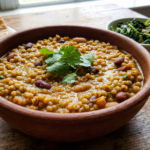
Njahi is more than food, it is memory, identity and sometimes debate. Slow cooked and grounding, these protein-rich black beans have nourished generations of Kenyan households.
For some, njahi is soulful comfort: tied to childhood meals, family gatherings and ceremonial tables. For others, it carries the weight of monotony, remembered as the “mandatory” food of school days or lean times. This complicated relationship is precisely what makes njahi iconic. It is a dish that is cherished, teased and deeply familiar, never forgotten.
Cooked patiently and thoughtfully, njahi reveals its true nature: rich, earthy and profoundly satisfying.
Ingredients
- 2 cups njahi (black beans), soaked overnight
- 1 onion, chopped
- 2 tomatoes, blended
- 2 cloves garlic, minced
- 1 tsp cumin
- 2 medium carrots (grated)
- 1 tsp coriander
- Salt, to taste
- Oil
Method
1. Boil patiently
Start by soaking them overnight. Then cook the soaked njahi in plenty of water until very soft. This takes time, and patience is essential for bringing out their depth and creaminess.
2. Build the base
Heat oil in a pot and fry the onions until golden and fragrant.
3. Layer the flavor
Add garlic, cumin, coriander, grated carrots and blended tomatoes. Cook until thick, aromatic and the oil begins to separate.
4. Bring it together
Add the cooked njahi to the sauce. Simmer for 15-20 minutes, adjusting salt and consistency as needed.
5. Serve
Hot, hearty and grounding.
Serving Suggestions
- With pumpkin chapatis: The gentle sweetness balances njahi’s earthy depth.
- With rice: A lighter pairing that allows the stew to shine.
- With ugali: A classic Kenyan comfort, dense, filling and communal.
Flavor Notes
- Njahi tastes even better the next day as the beans absorb the spices and deepen in richness.
- A squeeze of lemon or a sprinkle of fresh coriander can brighten the dish for modern palates.
Cultural Context: Njahi’s Love–Hate Story
Njahi carries layered meaning in Kenyan households:
For many, njahi symbolizes resilience and nourishment. It is often served at weddings, initiation ceremonies and family gatherings. Its slow cooking mirrors the patience and care of communal life.
For others, njahi recalls endless childhood meals, especially in boarding schools where it appeared frequently. Jokes about its “plainness” are common, yet they reveal just how deeply embedded it is in daily life.
Continuity: Despite the teasing, njahi endures. Rooted in Kikuyu tradition, it symbolizes fertility and renewal and is commonly served to new mothers. This duality makes njahi more than a bean. It is a cultural marker that sparks nostalgia, humor and pride all at once.
Njahi in Ceremony
- Weddings: Prepared in large communal pots, njahi symbolizes abundance, fertility and continuity between generations.
- Initiation rites: Served as a grounding, strengthening food that represents resilience and communal support.
- Postpartum tradition: Among the Kikuyu, njahi is given to new mothers to restore strength and promote fertility.
- Communal cooking: Like chapatis or goat stew, njahi preparation is collective. Women gather, share utensils and cook together.
Tradition on Today’s Table
Cooking njahi today is both a preservation and a reinvention. By pairing time-honored methods with thoughtful seasoning and presentation, we honor its heritage while making it inviting for contemporary tables.
Njahi reminds us that food is never just about taste. It is about memory, identity and the stories we carry forward.
Related Posts
 Golden sorghum & bean stew (a Kenyan heritage bowl)
/* Main Layout */ .sorghum-wrapper { font-family: 'Helvetica Neue', Helvetica, Arial, sans-serif; line-height: 1.6; color:…
 How to cook githeri: Kenya's classic bean and maize dish
Discover how to make githeri, a traditional Kenyan meal of maize, beans or peas. Learn…
 A winter escape (and summer too): why Kenyans are falling in love with Norway's offbeat charm
Norway's Offbeat Charm When most people imagine travel from Kenya to Europe, destinations like Paris…