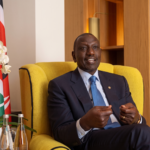
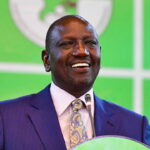
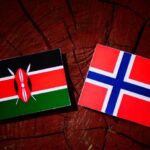
William Ruto landed in Europe this week with a packed schedule and an even busier social media feed. The Ruto Europe trip generated a steady stream of posts across his official pages, showing handshakes, bilateral meetings and carefully staged photo opportunities. The message was clear: Kenya is open for business, and Ruto intends to be the one selling it.
Ruto’s Europe trip takes shape on social media
Ruto posted frequently throughout the visit, sharing images from meetings with European heads of state and senior officials. He framed the trip as a mission to strengthen trade ties, attract investment and position Kenya as a regional leader. Moreover, the posts carried a confident, almost celebratory tone. Each update highlighted agreements signed, partnerships announced and warm receptions received.
However, the social media presentation told only part of the story. Critics back home noted the contrast between the polished European itinerary and ongoing economic pressure in Kenya. Fuel prices remain high, and public sector workers have staged repeated strikes in recent months. Therefore, the optics of a high-profile foreign tour drew mixed reactions from Kenyans online.
Diplomatic goals and the bigger picture
The Ruto Europe trip touched on several priorities. Climate finance featured prominently, with Ruto pushing for greater funding commitments from wealthy nations. He has positioned himself as a leading African voice on climate issues since hosting the Africa Climate Summit in Nairobi in 2023. In addition, he raised the issue of debt relief, arguing that African countries need fairer financial conditions to grow sustainably.
Ruto also met with business leaders and tech investors. He promoted Kenya’s digital economy and its growing reputation as a hub for innovation on the continent. Furthermore, he used the platform to advocate for African nations having a stronger voice in global financial institutions.
The posts on his pages were polished and strategic. Each one reinforced a particular image: a confident, globally connected leader who speaks the language of international diplomacy. Consequently, the trip served as much as a communications exercise as a diplomatic one.
What Kenyans made of it all
Reactions at home were divided. Supporters pointed to the concrete outcomes, including investment pledges and signed memoranda of understanding. They argued that Ruto Europe trip diplomacy could translate into real economic benefits down the line. Critics, however, were less convinced. Some pointed out that similar promises from previous tours had not always materialised into tangible gains for ordinary Kenyans.
Social media users in Kenya responded with a mix of pride, scepticism and sharp humour. Several posts went viral, comparing the presidential travel budget with cuts to public services. The debate reflected a broader tension in Kenyan politics between the demands of global diplomacy and the urgency of domestic challenges.
Ruto returned home to a country still waiting to feel the benefits of his economic promises. The Ruto Europe trip may have strengthened his international profile. Whether it strengthens his standing at home remains to be seen.