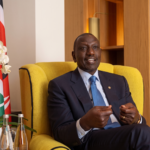
When William Ruto walked into the G7 summit in Kananaskis, Canada, he did so as the only African head of state in the room. Kenya at G7 summit talks is not a coincidence. It reflects a deliberate diplomatic positioning that Nairobi has pursued for several years, and it places Kenya in a uniquely visible role at a moment when global alliances are shifting fast.
Kenya at the G7 summit: how it got here
Kenya has worked hard to build its standing with Western partners. Ruto has cultivated a reputation as a pragmatic, reform-minded leader willing to engage on difficult topics, from debt restructuring to climate finance. Moreover, Kenya recently deepened its security ties with the United States, including a Major Non-NATO Ally designation granted in 2024. That status opened doors. Therefore, when G7 organisers considered which African voice to include, Kenya was a natural choice.
The invitation is also a signal to the rest of the continent. Africa has 54 countries. Only one received a seat at this table. That fact carries symbolic weight, and it will not go unnoticed in Addis Ababa, Pretoria or Abuja.
What Ruto and Trump discussed
The meeting between Ruto and Trump was brief but consequential. Trade featured prominently. The African Growth and Opportunity Act, known as AGOA, is due for renewal, and Kenya is one of its largest beneficiaries. Ruto pressed for a continued and expanded agreement. Trump, for his part, has shown interest in bilateral deals rather than broad multilateral frameworks, so Kenya’s direct engagement fits his preferred approach.
In addition, security cooperation in East Africa came up. Somalia, the Red Sea and the broader Horn of Africa remain areas of active concern for Washington. Kenya, as a frontline state and a contributor to regional peacekeeping, has leverage here. Furthermore, Ruto raised the question of African debt and the need for fairer financing from international institutions, a theme he has championed consistently on the global stage.
What this moment means for Africa
Some analysts will question whether Kenya truly represents the continent, or whether it represents itself. That tension is real. However, Ruto has been careful to frame his participation in collective terms, speaking about African priorities rather than Kenyan interests alone. Whether other African leaders accept that framing is another matter.
Still, Kenya’s presence at the G7 summit does something important. It normalises the idea that African leaders belong in these conversations as peers, not as aid recipients. That shift in optics matters, even when the substance remains uneven. Moreover, it gives Nairobi diplomatic capital it can spend across the continent and beyond.
The road from Kananaskis back to Nairobi is long. Translating a summit appearance into concrete gains, whether on trade, debt or security, will require sustained effort. But for now, Kenya has a seat at the table, and the world is watching how it uses it.