The jollof rice rivalry that divides West Africa
Few dishes inspire the kind of fierce, joyful, deeply personal loyalty that jollof rice does across West Africa. From Lagos dinner tables to Accra cookouts and Dakar family gatherings, this vivid orange-red rice dish sits at the heart of celebrations, arguments, and national pride. The debate over who makes it best has become one of the most spirited food rivalries on the continent.
Ask a Nigerian, a Ghanaian, and a Senegalese cook which country makes the best jollof, and you will receive three completely different answers, each delivered with absolute certainty. The rivalry spills across social media, fills comment sections, and turns up at weddings and funerals with equal enthusiasm. It is, at its core, a love story about food and identity.
Where it all began: Senegal’s thieboudienne
To understand jollof rice, you have to go back to Senegal, and specifically to the Wolof people who lend the dish its name. The original ancestor of jollof is thieboudienne, a rich, complex preparation of rice cooked in tomato-based broth with fish, vegetables, and a deeply layered seasoning paste. It remains Senegal’s national dish and one of the most celebrated meals in all of West Africa.
Historians trace the spread of jollof-style cooking through trade routes, migration, and the movement of peoples across the Sahel and the Atlantic coast over centuries. As the recipe travelled east and south, each culture absorbed it, adapted it, and claimed it. By the time it reached Nigeria and Ghana, it had transformed into something distinctly local in each place, sharing a lineage but wearing a different face.
Senegal, therefore, holds the historical high ground in this debate. Many food scholars argue that all roads lead back to thieboudienne, making Senegal the original home of the dish. In 2021, UNESCO added thieboudienne to its list of Intangible Cultural Heritage of Humanity, a recognition that Senegalese cooks received with considerable satisfaction.
Nigeria’s jollof: Bold, smoky, and unapologetic
Nigeria entered the jollof conversation with characteristic confidence and has never looked back. Nigerian jollof is known above all for the “party jollof” tradition, rice cooked over a wood fire in enormous pots at outdoor celebrations. The firewood gives the rice a distinctive smoky depth that Nigerians call the bottom pot, where the slightly charred grains at the base of the pot are considered the finest reward for a patient cook.
The Nigerian version typically uses long-grain parboiled rice, blended tomatoes, peppers, onions, and a generous hand with seasoning. The colour tends toward a deep, burnished red-orange. The texture is firm and each grain separate. Nigerian food enthusiasts argue, often loudly, that no other version achieves the same complexity of flavour, particularly when cooked in the open air over real flame.
Social media has greatly strengthened Nigeria’s position in the debate. Nigerian Twitter, now known as X, has produced some of the most widely shared jollof content on the internet. Celebrities, chefs, and ordinary home cooks weigh in regularly, and the hashtag wars that break out between Nigeria and Ghana have at times become global trending topics. For many Nigerians, defending their jollof is both a cultural duty and a source of genuine fun.
Ghana fights back: The tomato paste debate
Ghanaians approach the rivalry with equal passion and a particular point of pride: their use of tomato paste rather than fresh blended tomatoes. This choice gives Ghanaian jollof a deeper, slightly richer tomato flavour and a colour that leans more intensely red. Ghanaian cooks also tend to use long-grain rice and season the dish with a distinctive blend that often includes bay leaves, giving it a recognisable aroma.
In Ghana, jollof rice is central to celebrations of every kind. It appears at funerals, birthdays, church gatherings, and national holidays. The relationship between Ghanaians and their jollof is intimate and emotional. When Nigerians make playful claims of superiority online, Ghanaians respond with vigour, producing comparison videos, taste tests, and memes that have their own devoted following.
The tomato paste versus fresh tomato argument has become a defining line in the rivalry. Nigerian cooks often insist that fresh tomatoes produce a more vibrant, authentic result. Ghanaian cooks counter that their method produces a richer sauce and a more consistent colour. Neither side is likely to concede anytime soon, and that is precisely what keeps the conversation alive.
Beyond the big three: A wider West African table
While Nigeria, Ghana, and Senegal dominate the jollof conversation, the dish extends across a much wider geography. Sierra Leone, Liberia, Cameroon, Guinea, and Gambia all have their own versions, each shaped by local ingredients, cooking traditions, and cultural preferences. In Sierra Leone, for instance, jollof rice often incorporates local palm oil and dried fish, giving it a flavour profile distinct from its Nigerian or Ghanaian counterparts.
Furthermore, the diaspora has carried jollof rice around the world. In London, New York, and Toronto, West African restaurants serve their national versions side by side, and second-generation cooks experiment with fusion interpretations that blend techniques and flavours across borders. The dish has, in this sense, become a global ambassador for West African cuisine.
In 2016, a British rice brand released a recipe they called “jollof rice” and the backlash from West Africans online was swift, united, and spectacularly effective. For a brief moment, Nigeria and Ghana set aside their differences to defend their shared culinary heritage against an outside interloper. It was, perhaps, the most revealing episode in the entire rivalry, showing that beneath the friendly competition lies a deep and genuine pride in what this dish represents.
More than a meal
The jollof rice rivalry is, finally, about something larger than cooking technique or ingredient choice. It is about belonging, memory, and the way food becomes inseparable from identity. Every person who grew up eating jollof rice carries a specific version of it in their memory, one tied to a particular kitchen, a particular cook, a particular occasion.
That emotional weight is what gives the debate its energy and its warmth. It is competitive, yes, but it is also a celebration of a shared West African culinary heritage that stretches back centuries. As long as wood fires burn, pots simmer, and families gather to eat, the argument will continue. And the food, whichever version you happen to love most, will remain extraordinary.
Related Posts
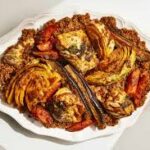 Thieboudienne – Senegal's beloved jollof rice with fish
Hearty, spiced, and rich in tradition, this national dish layers bold tomato flavor with tender…
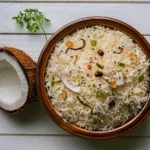 Wali wa nazi (coconut rice) — pure Swahili coastal comfort
Introduction Wali wa Nazi , Kenya's classic coconut rice, is a fragrant Swahili staple from…
 Ranovola: Madagascar's smoky rice water elixir
Ranovola, which translates to "burnt water" in Malagasy, is a simple yet soul-soothing drink made…